

Gearing up for gravel biking
Gravel biking has quickly carved out its place in Quebec, thanks to the countless secondary roads that wind their way across the province. While it’s possible to ride gravel almost anywhere, many cyclists plan their outings carefully — sometimes driving out to reach a standout route or a network of gravel roads, like the ones we highlight in our article: 5 gravel biking routes for enthusiasts.
In this context, having the right gear becomes essential. Not to overcomplicate the sport or take away from its spontaneous spirit, but to help you ride farther, more comfortably, and fully enjoy every outing.

Choosing the right gravel bike
Essential Gear: safety and control
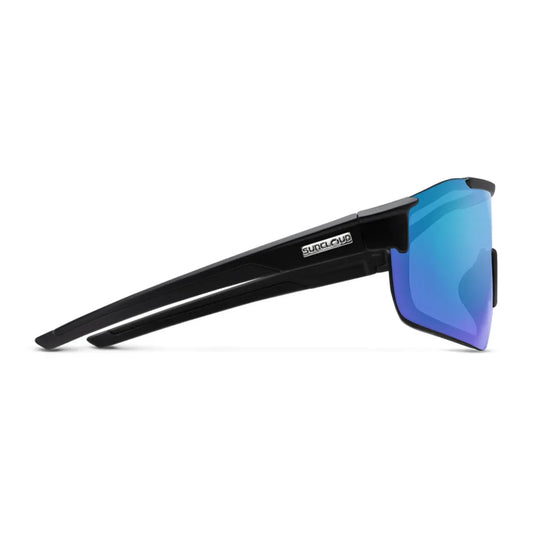
Certain equipment consistently comes up in gravel cycling, regardless of level or distance. This includes the helmet, which should be lightweight and well-ventilated so it can be forgotten during the ride while still providing proper protection, as well as gloves, which improve comfort on gravel roads where vibrations are common, helping reduce fatigue over longer distances while ensuring a better grip on the handlebars, and sunglasses, which protect against insects, dust, and changes in light between open roads and wooded sections.
Whatever cycling accessories you are looking for, our in-store experts can guide you and introduce you to the latest gear designed for the adventurous world of gravel cycling.

Dressing for changing weather conditions
Between spring and fall, weather conditions can change quickly in many regions. This is especially true for gravel riding, where outings can last several hours and you may sometimes find yourself far from the nearest shelter.
The most effective approach remains layering (similar to the multi-layer system used in outdoor activities, adapted for cycling):
- a breathable base layer
- a technical jersey adapted to the temperature
- a compact windproof or waterproof outer layer
When the weather is favorable, extra layers can easily be stored in a bike bag or dedicated cycling storage system, or carried in a backpack if needed.
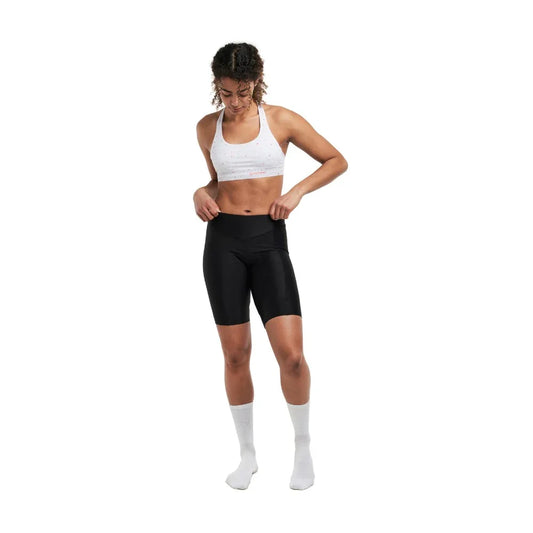
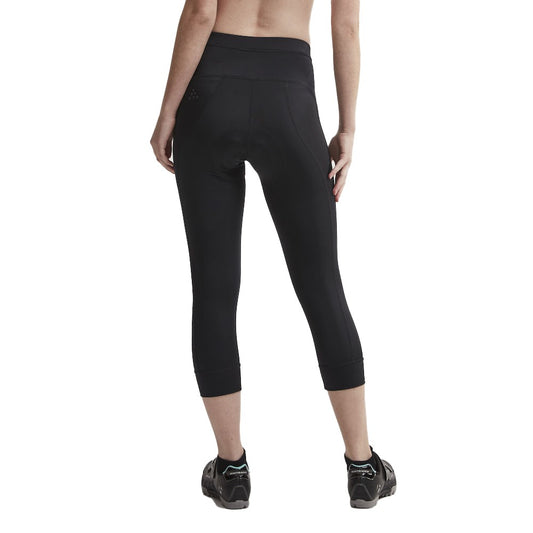
As rides get longer, well-chosen cycling clothing becomes a real ally. When selected properly, it helps you stay comfortable across a wide range of conditions.


Navigation and self-sufficiency in gravel cycling

Bikepacking and bike touring: Extend your gravel riding experience
Gravel cycling naturally lends itself to bikepacking trips and, more broadly, to the world of cycle touring. In the first case, it refers to a more minimalist approach, where you carry only the essentials directly on the bike in order to set off for one or several days of self-supported riding. Traditional cycle touring, on the other hand, follows a more structured travel approach, with planned stops, a steadier pace, and often a more complete gear setup. Learn more about the differences between these two activities in our article: 5 differences between bikepacking and bike touring.
Whether for bikepacking or cycle touring, gravel bikes and the associated equipment discussed here are an excellent entry point. Their versatility makes it possible to go from day rides to multi-day adventures with overnight stays, without needing to completely change your setup.
As highlighted in our article Bikepacking on the horizon: Adapted bags, panniers and tents, the choice of bags (size and quantity) will determine the type of adventure you can embark on. But the possibilities are wide open, and this modularity makes the experience accessible even for those trying this type of riding for the first time.

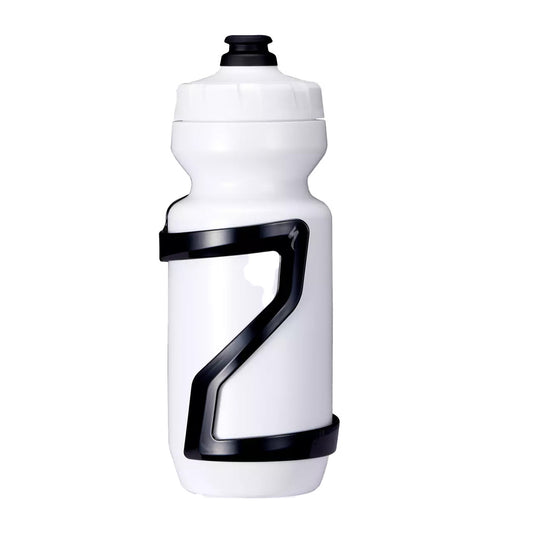
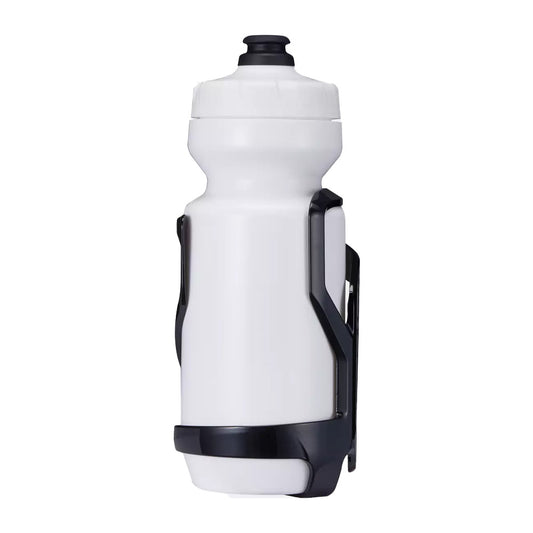



Gearing up with La Cordée
Getting the right setup for gravel riding is not just about following a list of products. It is mainly about finding the right match between your bike, the terrain, and the way you like to ride.
In La Cordée’s 5 stores, our advisors take the time to understand these elements in order to suggest gear that is consistent and well adapted to your needs.
Our bike workshops can also help you go further: bike fitting, precise adjustments, or preventive maintenance to ensure your bike remains reliable over time.
Feel free to visit us in store to chat about gravel cycling—we’ll be happy to talk it through with you.

FAQ - Frequently Asked Questions about gravel biking
Is Quebec a good place for gravel cycling?
Absolutely! The wide network of secondary roads, gravel paths, and rural routes makes it a particularly well-suited destination for gravel cycling, especially in spring, summer, and fall.
For route inspiration, you can explore platforms such as Ride with GPS, Komoot, Strava, Vélo Québec, or Bonvélo!
What is the difference between road bikes and gravel bikes?
Road bikes are designed for asphalt and performance. Gravel bikes are built for versatility, with the ability to handle a wide variety of surfaces without needing to switch bikes. Learn more about the differences right here: Gravel Bike or Road Bike: How to Make the Right Choice? | La Cordée
What gear do you need to get started with gravel cycling?
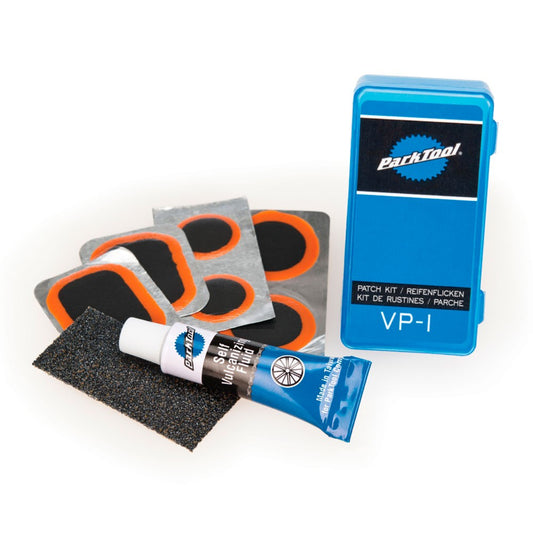
A suitable bike, a helmet, a repair kit, and technical clothing are enough to get started. The rest will gradually come together as you go on more rides.
Is bikepacking suitable for beginners?
Become a member
Share this article